
Why Hydraulic Two-Post Lifts Outperform Cable-Equalized Designs
What sets them apart, and when it matters most
Two-post lifts keep a vehicle level side to side using one of two methods: mechanical cable (wire rope) equalization, or full hydraulic synchronization. The difference rarely shows up on a light passenger car. It shows up fast under heavy, unevenly loaded trucks, the kind carrying a crane, a welding unit, or other one-sided equipment. In those conditions, direct-drive hydraulic lifts hold a clear advantage in both safety and reliability. That same hydraulic approach runs through Mohawk’s two-post lifts and the LiftPoint LTX material handling line.
How each system works
A hydraulically synchronized lift uses an all-hydraulic circuit to keep the left and right carriages rising at matched speeds, even when weight sits heavier on one side. A cable-equalized lift relies on cable tension to hold that balance instead. Cable tension is the weak point. Cables stretch and fray over time, and once that happens the carriages can drift out of level if the system is not watched closely.
The maintenance burden
Manufacturers of cable-equalized lifts say as much in their own operating manuals. Those manuals typically call for daily cable inspections and regular tension adjustments to keep both carriages moving together. What buyers often miss is the failure mode: if a single cable stretches, loosens, or is installed incorrectly, the carriages no longer rise evenly and the safety locks may not engage at the same time. It is fair to ask why a lift should need daily checks just to do its job safely. A direct-drive hydraulic lift takes that risk off the table.
Weight ratings still apply
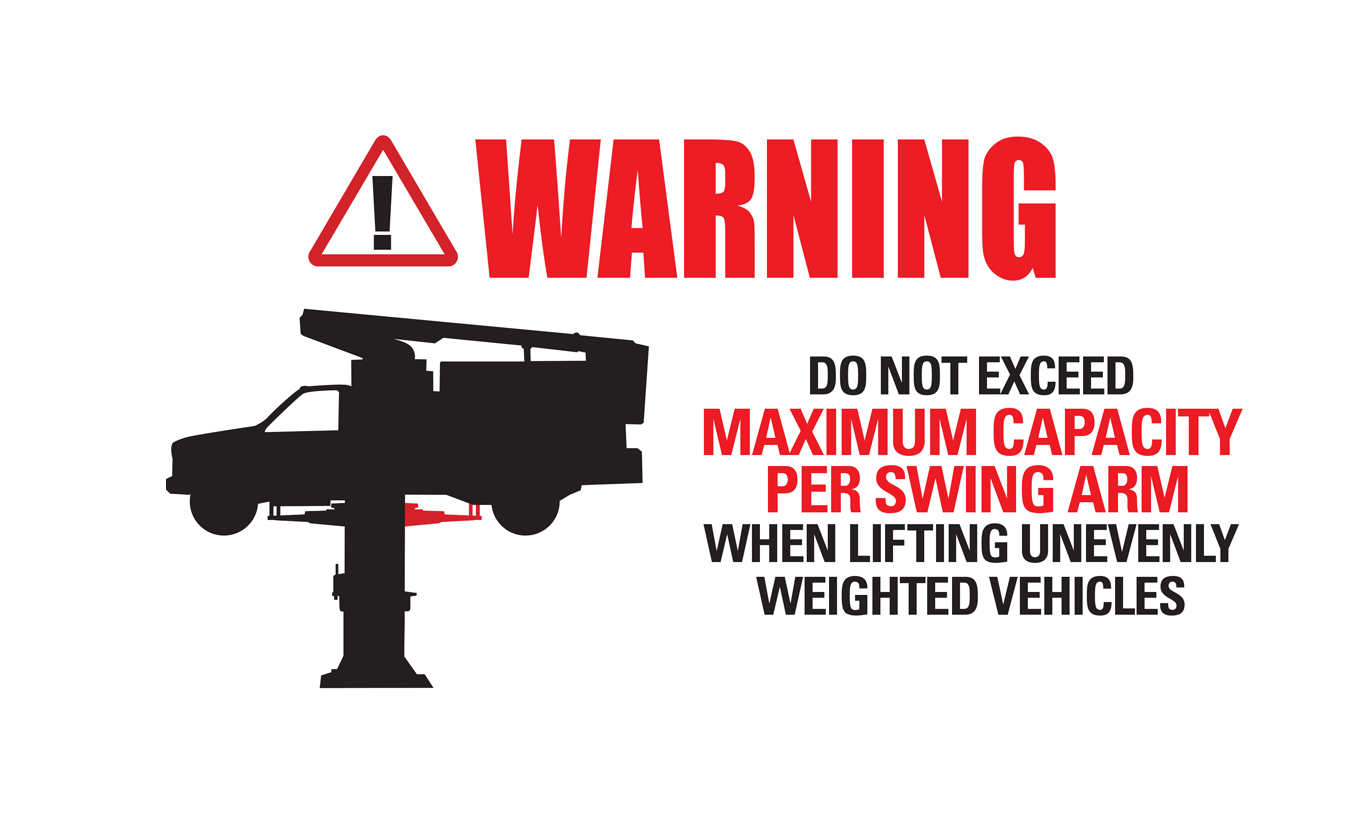
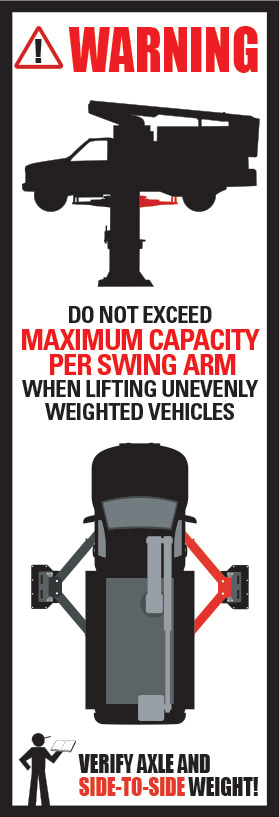
Hydraulic synchronization does not cancel out load limits. Lift brochures note that a single axle should not exceed half the lift’s rated capacity, so the rear axle cannot exceed the rating of the two rear arms. The same logic applies side to side: one side of the truck cannot exceed the capacity of the arms on a single column.
Why it matters for heavy trucks
Front-to-rear weight differences torque the carriages and load the arms. Side-to-side differences stress both the structure and the equalization system itself. A one-sided load, such as a welding unit mounted on the rear of an F-450, can pull a cable-equalized system out of sync surprisingly fast, wearing down slide blocks and cable sheaves along the way. For shops servicing this kind of equipment, a full hydraulic system avoids the stretching and fraying that comes with wire rope, which means a safer, more reliable, and longer-lasting lift.
Recent Comments